Dad Cards
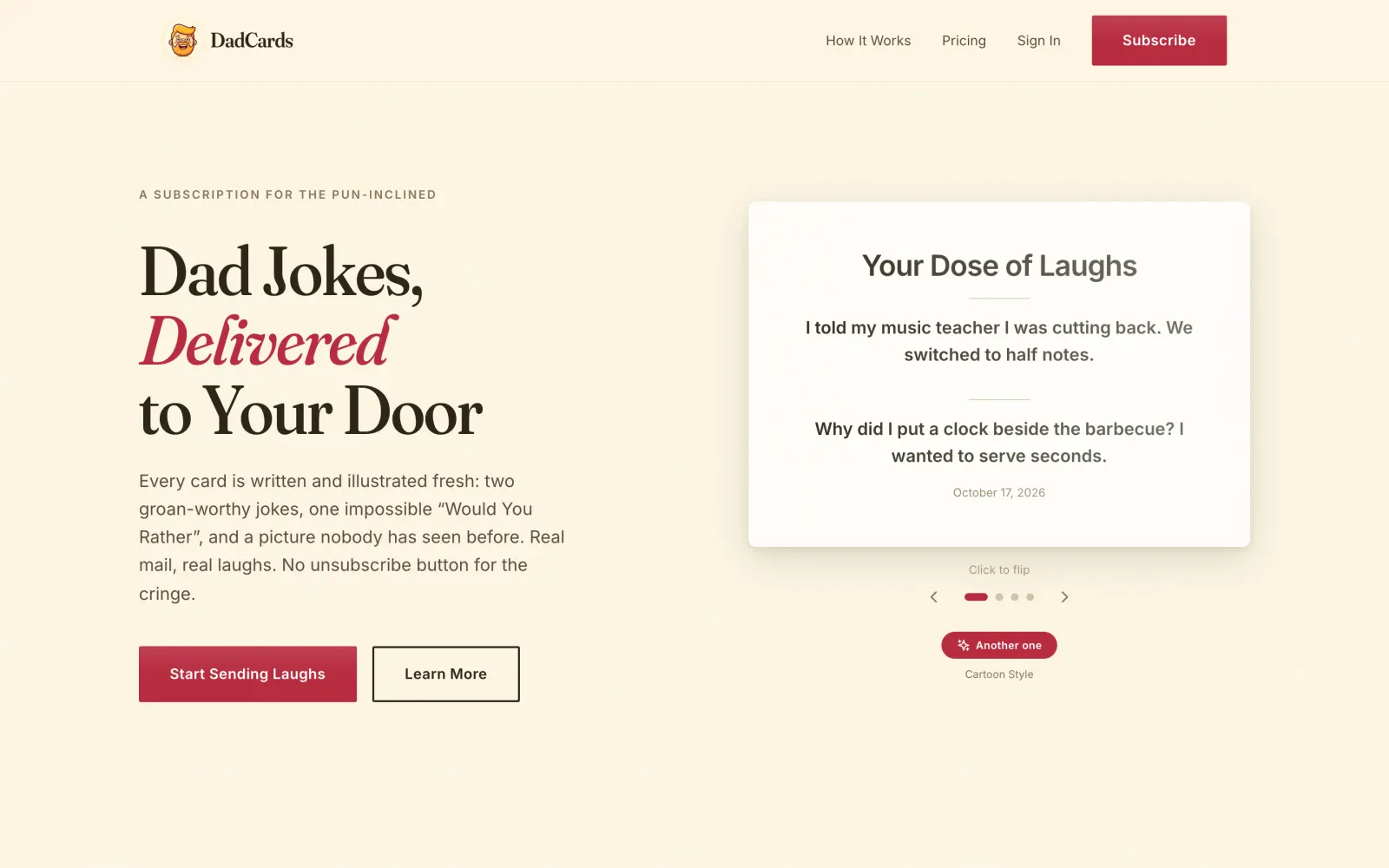
A subscription that posts a physical postcard through your mailbox. Each one has two dad jokes, a “Would you rather” and a new illustration, all written and drawn by AI.
Live dadcards.xyz23 MCP tools
Each of these is in production, or was until it was retired.
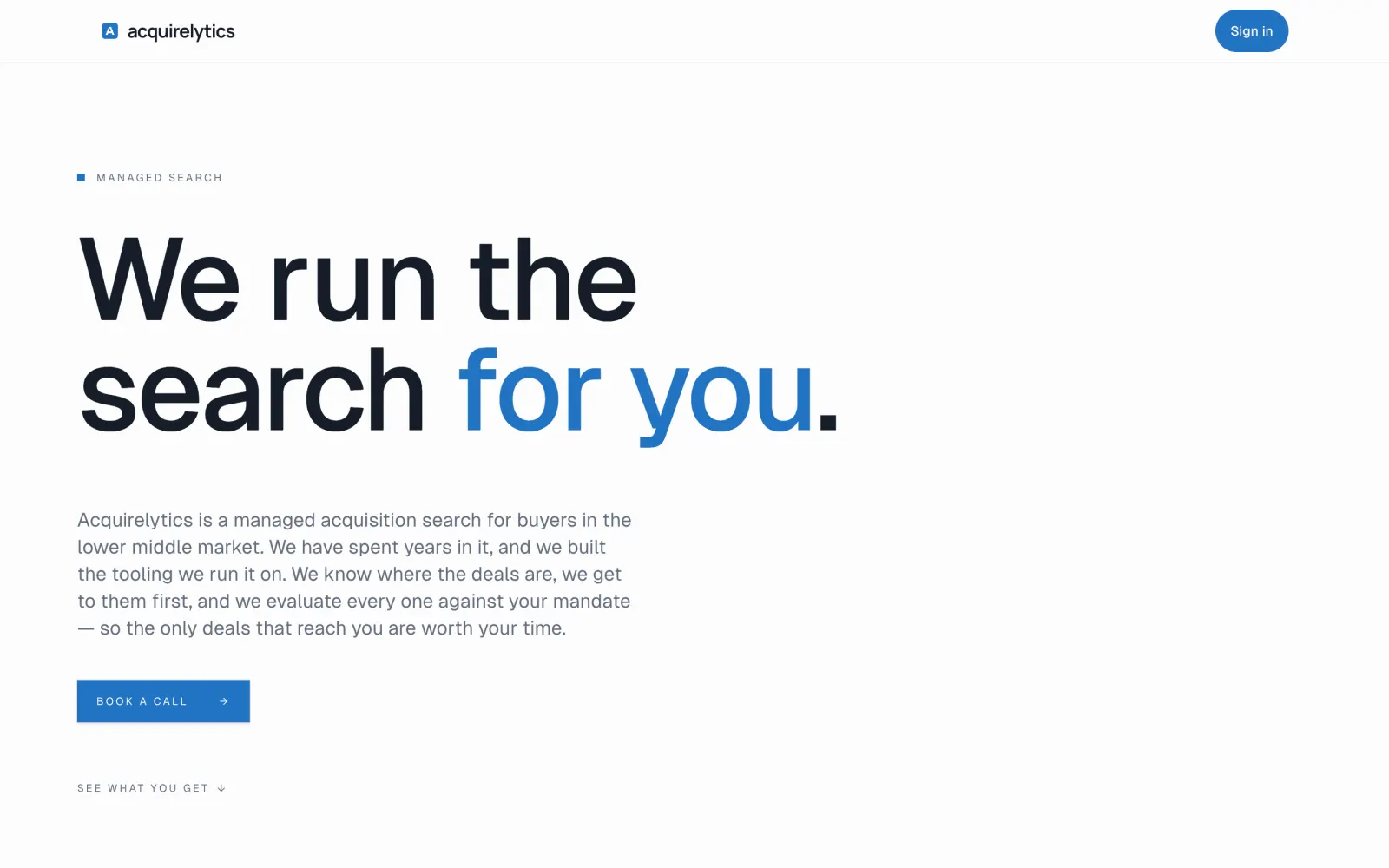
Finds businesses for sale across more than 800 sources and uses AI to screen each one against a buyer’s thesis. Brad founded it in 2024 and still directs it.
Mar 2025 to 18 Oct 2026. AI verdicts are counted from Sep 2025, and a listing judged for two buyers counts twice. Bars are on a log scale.
From 807 configured sources: broker sites scraped in bulk, dedicated marketplace scrapers, a Chrome extension, broker websites, and broker email read by AI. Source: Acquirelytics desk metrics, Mar 2025 to 17 Oct 2026.
The verdict model changed three times in a month. Each candidate was tested first against people’s own pursue-or-pass calls on the same deals. Claude Haiku went live on 16 Oct because it agreed with the human call 81–90% of the time, for less than the model before it.
Source: Acquirelytics admin tables and desk metrics, 18 Oct 2026.
The app Brad runs his AI agents from. Every Claude, Codex and ChatGPT session sits in one queue, ranked by what it needs from a person, next to the tickets, inbox and specs it relates to.
Brad runs about 50 agent sessions at once, across two Macs and several tools. At any moment some are stuck on a question, some need approval and some are finished and ready to test, and nothing said which. Brain does: every session reports in when it starts and joins one queue, and each can be answered, approved, stopped or started from any device.
There’s no staging: merging is deploying, with about 50 agents committing. So every incident becomes a check that runs on every change, and the house rules are thirteen practices, each written after the incident that taught it.
Source: Brain and GitHub, 18 Oct 2026.
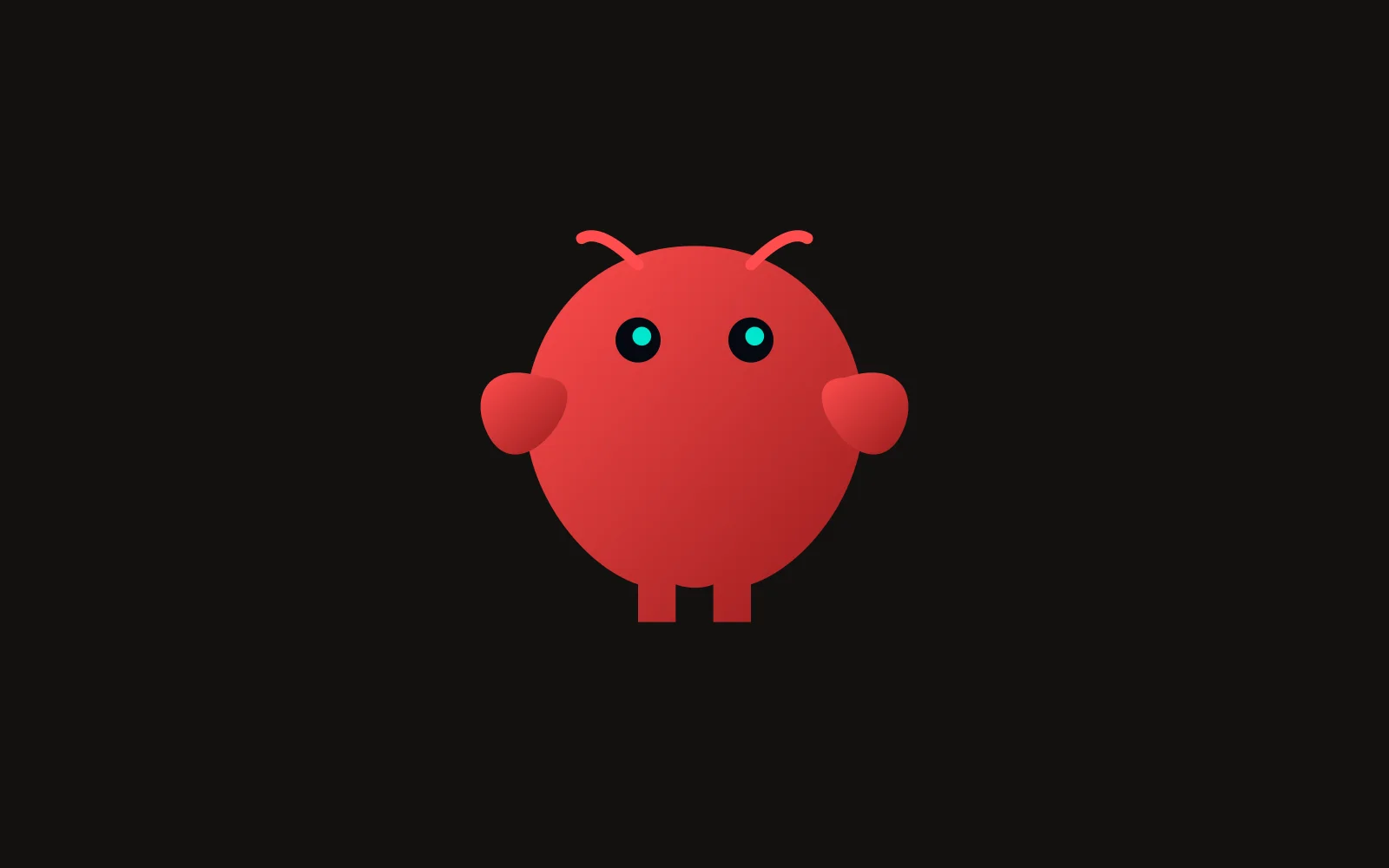
Sir Nigel was Brad’s OpenClaw instance: an open-source agent framework he ran around the clock on a Mac Studio for eight months, as a chief of staff. It was the first version of Brain.
Brad retired it on 8 October 2026. It moved too fast, broke too often, and needed its own on-premises cloud to keep it going. Brain replaced it.
Side projects, each built mostly by AI agents. Some became small businesses.
A subscription that posts a physical postcard through your mailbox. Each one has two dad jokes, a “Would you rather” and a new illustration, all written and drawn by AI.
Live dadcards.xyz23 MCP tools
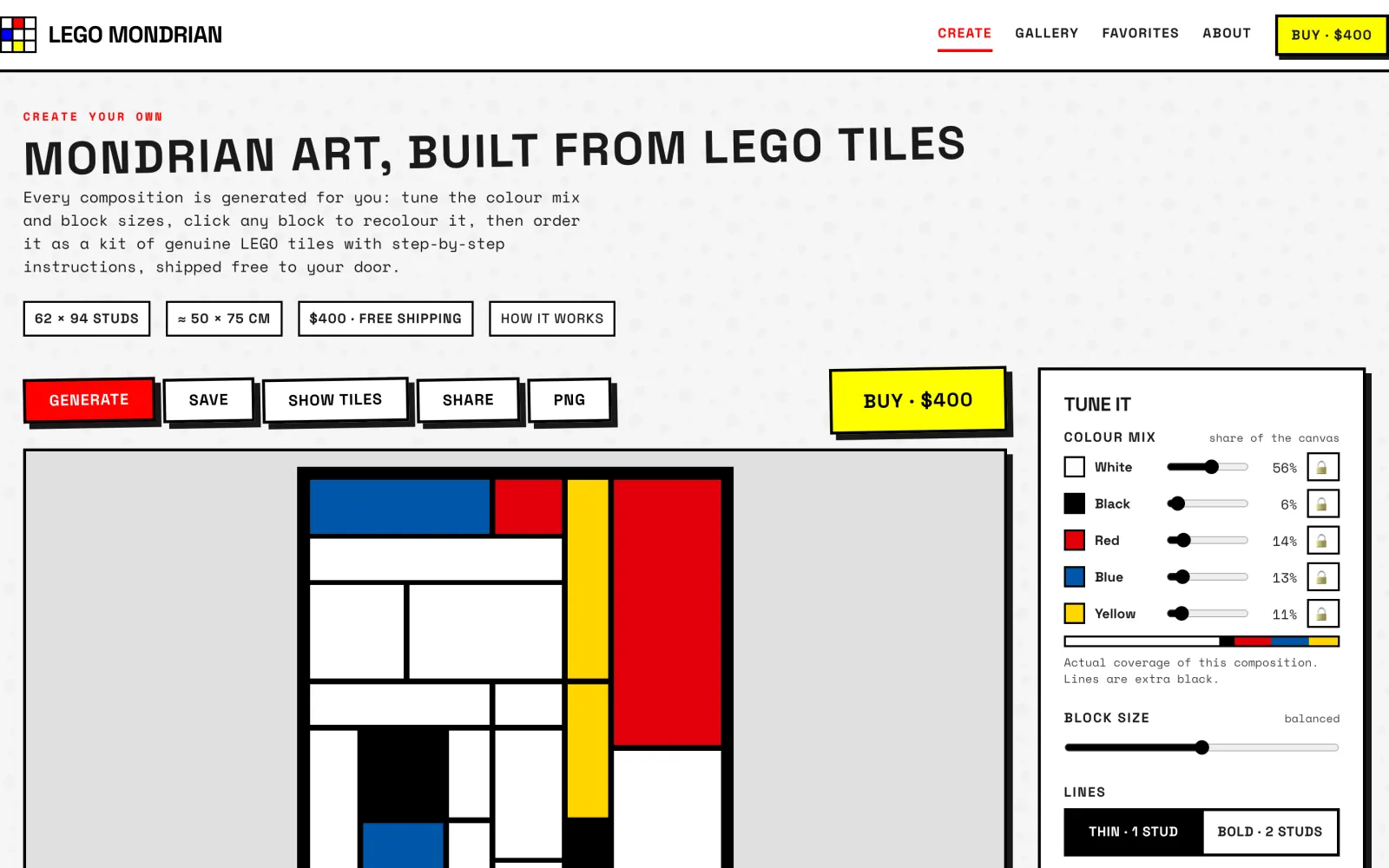
Generates a one-off Mondrian-style artwork you can build from real LEGO tiles, and sells it as a kit.
Live lego-mondrian.com$400 per kit
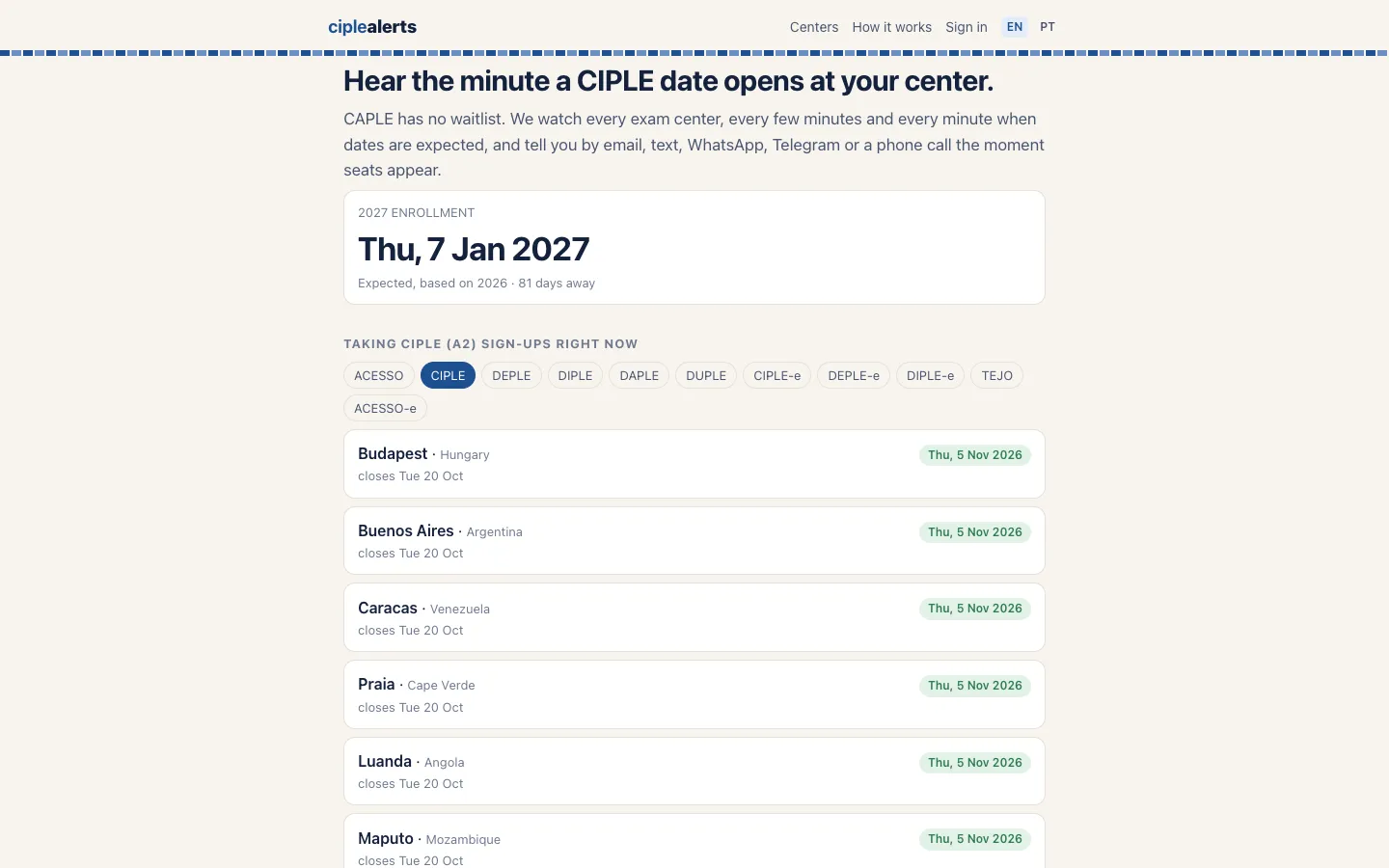
Tells you the minute a date opens for CIPLE, the Portuguese exam needed for residency and citizenship. It started as a scraper for Brad’s own exam and is now a paid service.
Live ciplealerts.com€19 per exam year
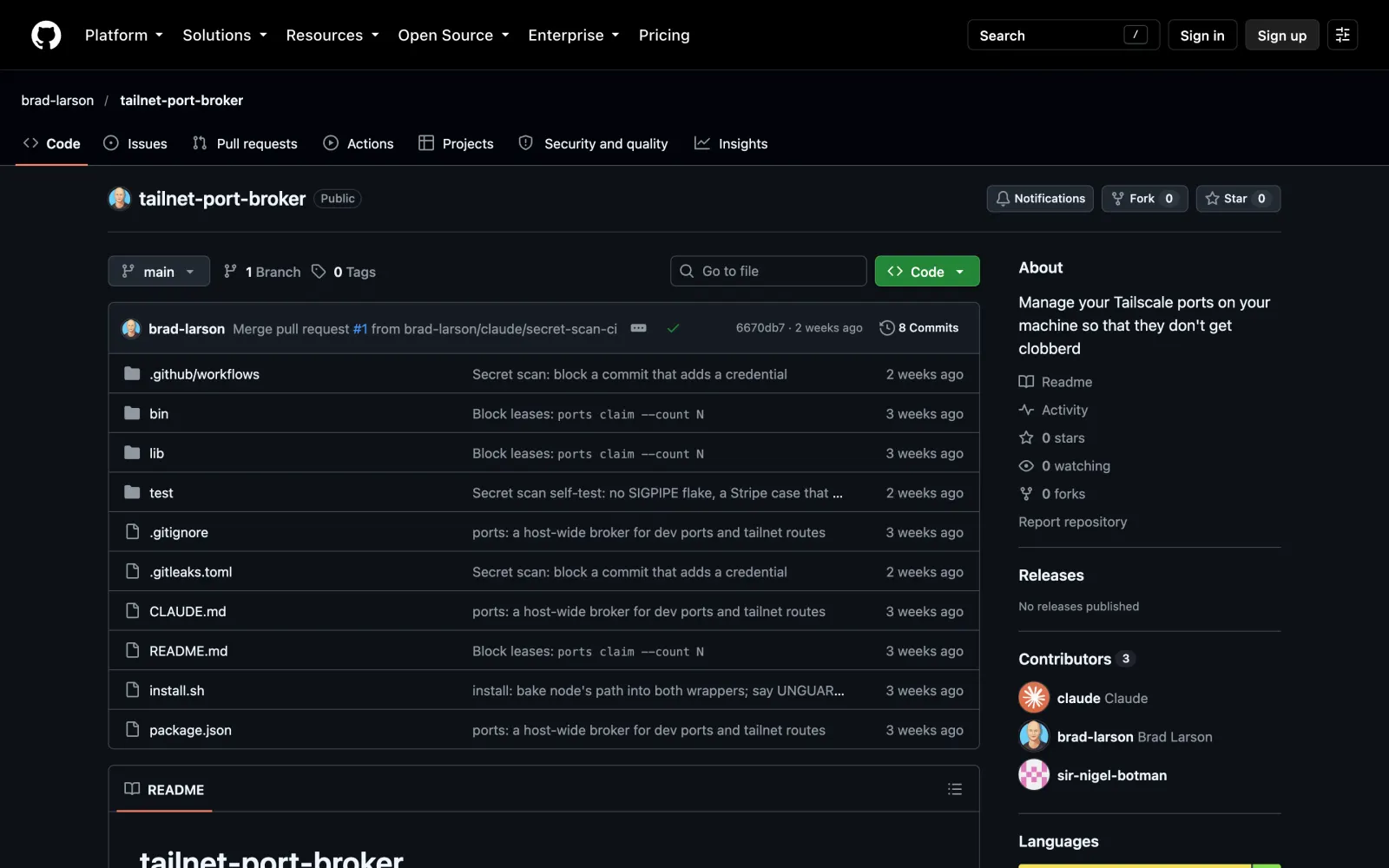
Gives each agent working in parallel its own preview link, so their work doesn’t collide.
Public on GitHub
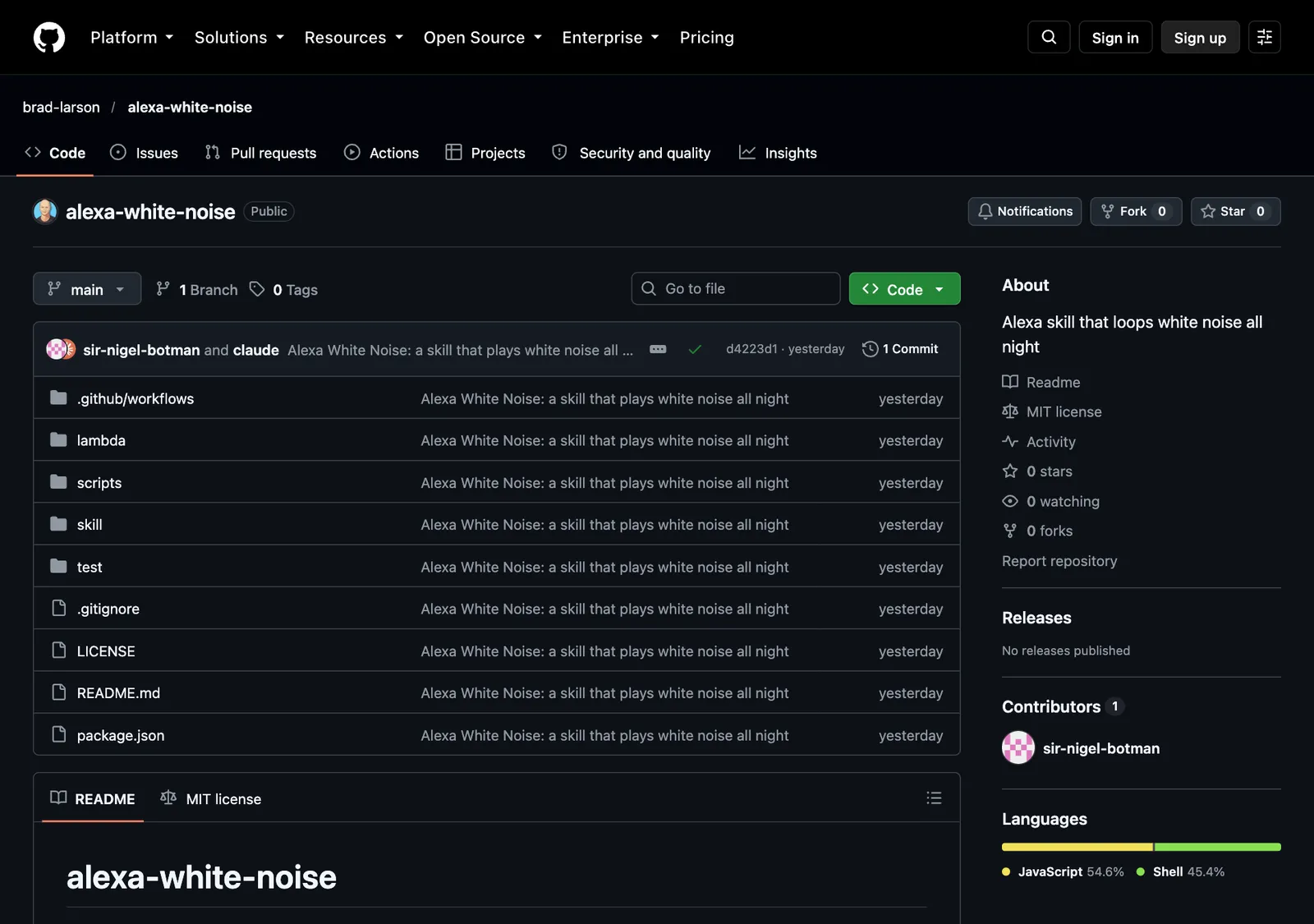
An Alexa skill that plays white noise all night on every Echo in the house, without gaps or stray silences.
Spring 2026 in nightly use since
Turns a script into an illustrated, printable picture book where the characters look the same on every page.
2025 first versionPDF print-ready
A poker school for eight friends: lessons, odds tools, and a practice table against bots that play like each of them.
1 day to build
Type a word and get a full study card with audio, straight into Anki. Built while learning Spanish and Portuguese to B2.
B2 Spanish and Portuguese2023 learning since
Two sources, each counted once: the coding agents Brad builds with (Claude Code, Codex, Cowork and OpenClaw), and the AI calls the apps make, as each provider billed them.
Coding agentsApps’ own API calls
Most coding-agent tokens are the model re-reading its working context, which is normal for long agent sessions. Coding agents are counted from February 2026, when Brain started recording them; app calls from November 2024. Source: Brain’s /ai/history and the providers’ own usage reports, 18 Oct 2026.
Building something similar, or want to work with us? Email [email protected]. For consulting in the UK, see FireClaw.